
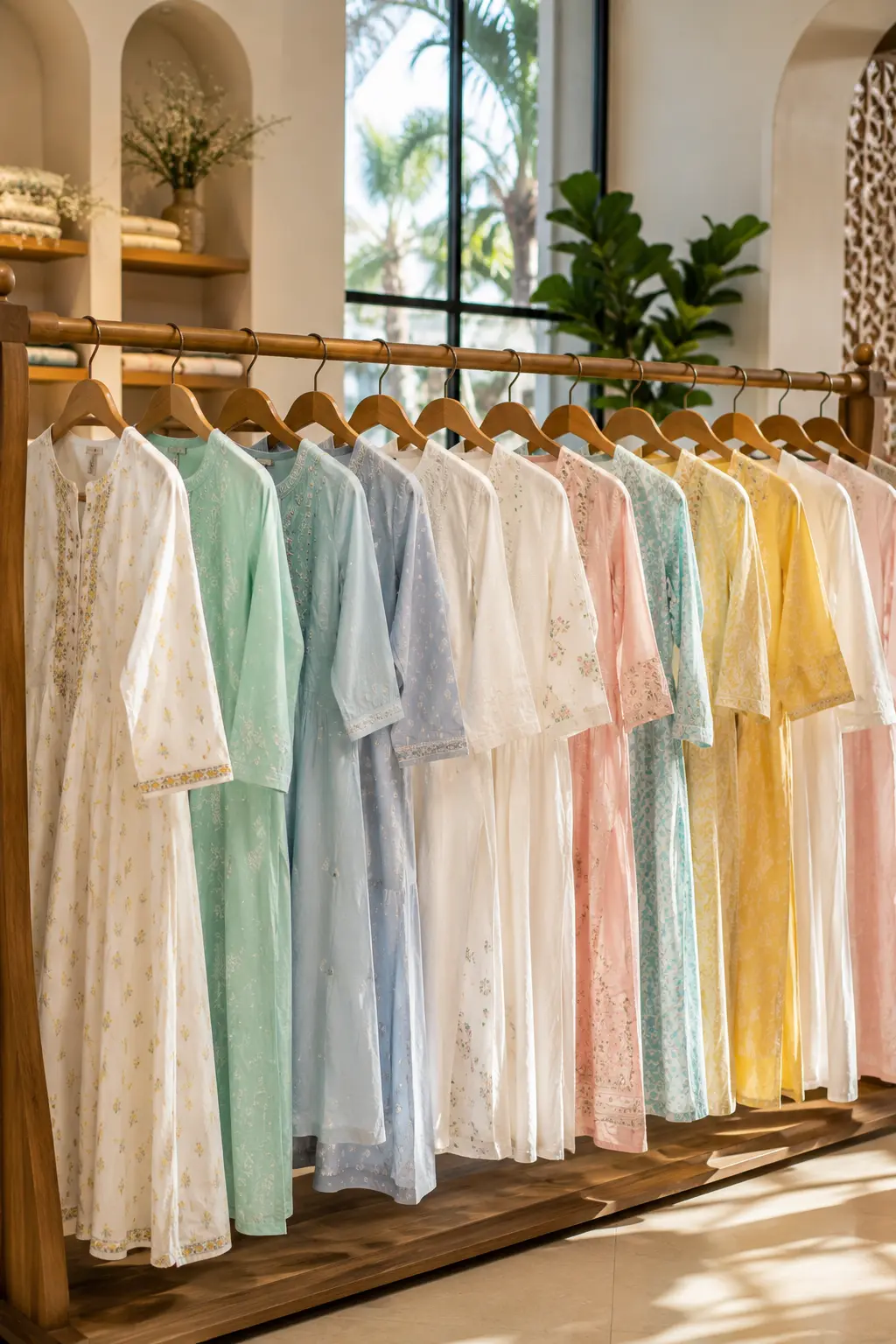
The moment the mercury crosses 38 degrees, most of us open our wardrobe and sigh. Half the clothes feel too tight, too synthetic, or too heavy for the kind of heat that Indian summers bring. You want to look put-together for work, for a family function, or just for a walk to the market, but you also want to breathe. That is exactly where the humble cotton kurti walks in and saves the day.
If you have ever ended up drenched in sweat after wearing a rayon or polyester kurti for just an hour, you already know the problem. The wrong fabric clings to the skin, traps heat, and leaves you uncomfortable by noon. A cotton kurti, on the other hand, lets your skin breathe, soaks up sweat instead of trapping it, and still manages to look elegant whether you pair it with leggings, palazzos, or a simple pair of jeans.
This is not just a matter of comfort either. Trapped sweat and heat against the skin during long, humid days can lead to rashes, prickly heat, and constant itching, especially for people who commute, work outdoors, or spend hours in crowded markets and offices without strong air conditioning. Choosing the right fabric is one of the simplest ways to avoid all of that.
In this guide, we will walk through why cotton kurtis are the smartest summer choice, how to pick the right one for your body and lifestyle, which styles are trending across India this season, and how to keep your kurtis looking fresh wash after wash. Whether you are shopping for office wear, festive occasions, or everyday comfort, you will find practical, easy-to-follow tips here.
Why Cotton Kurtis Are a Summer Must-Have
Cotton is a natural fibre, which means it is far more breathable than synthetic blends like polyester or nylon. During summer, this difference is not just about comfort; it is about your skin’s health too. Synthetic fabrics can trap heat and moisture close to the body, leading to rashes, itching, and that sticky feeling most of us dread.
A cotton kurti solves this problem naturally. Here is why it works so well in Indian summers:
- Breathability: Cotton allows air to pass through the fabric, keeping your body temperature in check.
- Sweat absorption: It absorbs moisture instead of trapping it, so you feel drier for longer.
- Skin-friendly: Cotton is gentle on sensitive skin and rarely irritates, unlike some synthetic blends.
- Easy to style: A cotton kurti works for the office, casual outings, and even light festive wear.
- Long-lasting: With proper care, good quality cotton fabric can last for years without losing its shape.
Cotton has been woven and worn across the Indian subcontinent for centuries, long before synthetic fabrics existed, precisely because it suits the region’s climate so well. This is not a passing trend but a fabric choice that has stood the test of time through generations of hot, humid summers.
There is also a practical, everyday reason cotton has stayed popular across generations of Indian wardrobes. Most Indian households already know how to wash, dry, and store cotton clothing without any special equipment. Unlike delicate fabrics that need dry cleaning or careful handling, a cotton kurti can usually be hand-washed or machine-washed at home, air-dried on a balcony, and ironed with a regular iron. This makes it a low-maintenance choice for people juggling work, family, and daily errands, without compromising on how put-together they look.
Pro Tip: Always check the fabric label before buying. A blend with at least 95 per cent cotton content will feel noticeably cooler than a cotton-poly mix, even if both are labelled ‘cotton kurti’.
How to Choose the Perfect Cotton Kurti for Hot Weather
Not all cotton kurtis are created equal. The weave, fit, colour, and cut all play a role in how comfortable and stylish you will look. Below are the most important factors to consider, explained step by step.
1. Pick the Right Cotton Weave
Not every cotton fabric feels the same. Some weaves are thicker and warmer, while others are light and airy, perfect for peak summer.
- Voile and mulmul cotton: Extremely light and almost sheer, ideal for the hottest days.
- Cambric cotton: Smooth, lightweight, and slightly crisp, a popular choice for daily wear kurtis.
- Khadi cotton: Slightly textured and breathable, great for a rustic, ethnic look.
If you live in a very hot and humid city, voile or mulmul cotton kurti designs will keep you far more comfortable than thicker weaves.
2. Choose Light and Breathable Colours
Dark colours absorb heat, while light colours reflect it. In summer, pastel shades like mint green, powder blue, lemon yellow, and off-white not only keep you visually cool but also feel less warm against the skin during the day.
- Save darker shades like maroon or navy for evening wear or air-conditioned settings.
- Whites and pastels are perfect for daytime errands and office wear.
- Bright colours like coral and turquoise add a festive touch without feeling heavy.
3. Go for Relaxed, Loose Fits
A tight kurti restricts airflow and clings to sweat, making you feel warmer. Loose and relaxed silhouettes allow air to circulate freely around the body.
- A-line kurtis flare gently from the waist and allow good airflow.
- Straight-cut kurtis with side slits give both comfort and a flattering shape.
- Avoid body-hugging fits in thick cotton, as they can feel restrictive in the heat.
4. Check the Neckline and Sleeve Style
Necklines and sleeve lengths affect how much heat gets trapped near your neck and arms. A closed, high collar might look smart, but it traps warm air right at the neck, which is one of the first places people feel overheated on a humid afternoon.
- Round or V-necks allow better ventilation than high collars.
- Three-quarter or elbow-length sleeves are cooler than full sleeves for daily summer wear.
- Sleeveless or cap-sleeve cotton kurtis work well for casual, at-home, or beach-side outings.
5. Pick Prints That Suit Summer
Among the many cotton kurti designs available today, certain prints are especially popular for summer because they feel light and cheerful.
- Floral prints: Fresh, feminine, and perfect for daytime wear.
- Ikat and block prints: Traditional, breathable, and great for festive-casual looks.
- Geometric or striped patterns: A modern choice for office and college wear.
6. Match with the Right Bottoms
The bottoms you pair with your kurti can make or break your summer comfort.
- Cotton palazzos: Airy and stylish, ideal for a relaxed ethnic look.
- Straight-fit cotton pants: A neat, office-appropriate option.
- Light denim or cotton leggings: A versatile, everyday pairing.
Avoid pairing your cotton kurti with heavy synthetic leggings, as this can cancel out the breathability benefits of the top itself. If you spend most of the day outdoors, cotton palazzos or straight-fit cotton pants are worth the small extra effort of ironing, simply because they let your legs breathe just as much as the kurti does.
7. Look for Handloom and Block Print Kurtis
Handloom cotton kurtis, especially those with hand block prints from regions like Jaipur, Bagru, and Sanganer, are known for their soft texture and natural dyes. They tend to be more breathable than machine-printed fabrics and support local artisans as well.
8. Consider A-Line and Straight-Cut Kurti Designs
Among the many cotton kurti designs available this season, A-line and straight-cut styles remain the most practical for Indian summers. They skim over the body instead of clinging to it, offering both comfort and a flattering silhouette for most body types.
9. Layer Smartly for Day-to-Night Wear
If you need one outfit that works from a morning meeting to an evening get-together, choose a simple cotton kurti in a solid colour and change up your accessories.
- Add oxidised jewellery and a jhola bag for a casual day look.
- Switch to statement earrings and a clutch for evening wear.
- A light cotton jacket or shrug can be added for air-conditioned spaces without adding bulk.
10. Invest in Easy-Care, Wrinkle-Resistant Cotton
Pure cotton wrinkles easily, which can be a hassle if you are always on the move. Look for cotton-blend kurtis with a small percentage of another fibre, or fabrics treated for easy care, so you spend less time ironing and more time enjoying your summer.
Pro Tip: Buy at least two or three cotton kurtis in neutral shades like white, beige, or light grey. These mix and match easily with different bottoms and accessories, giving you more outfit options without overloading your wardrobe.
Popular Cotton Kurti Styles Trending in India This Summer
Cotton kurti designs have moved far beyond the plain, boxy styles of a decade ago. Today’s collections mix traditional silhouettes with modern cuts, giving you plenty of ways to stay cool without looking repetitive. Here are a few styles worth adding to your wardrobe this season.
Anarkali-Style Cotton Kurti
A lightweight cotton Anarkali kurti gives you the festive, flowy look of a traditional Anarkali suit without the heaviness of silk or velvet. The flared cut keeps air moving freely around the legs, making it a comfortable choice for daytime weddings, pujas, or family functions.
High-Low Hem Kurti
This style is shorter in the front and longer at the back, giving a modern, layered look. Paired with straight pants or jeans, a high-low cotton kurti works well for college, casual outings, or a relaxed day at work.
Kaftan-Style Cotton Kurti
Loose and breezy, the kaftan-style kurti is one of the coolest options for extremely hot days. Its wide, flowing shape barely touches the body, which means maximum airflow. It is especially popular for at-home wear, beach holidays, and lazy weekend brunches.
Shirt-Style Cotton Kurti
With collars, button plackets, and a more structured silhouette, shirt-style cotton kurtis have become a favourite for office wear. They look sharp with palazzos or straight pants and strike a good balance between formal and comfortable.
Pro Tip: If you attend a lot of daytime events in summer, keep at least one Anarkali-style and one shirt-style cotton kurti in your wardrobe. Together, they cover both festive and formal occasions without needing separate heavy outfits.
How to Care for Your Cotton Kurti So It Lasts Longer
A good cotton kurti is an investment, even if it does not cost a lot of money, simply because of how often you will end up wearing it through the season. A little extra care during washing, drying, and storage can add years to its life.
- Sort by colour before washing to prevent dye transfer between light and dark kurtis.
- Use a gentle cycle or hand wash for hand block print and embroidered cotton kurtis.
- Store folded rather than on hangers if the fabric is lightweight, to avoid stretching at the shoulders.
- Keep printed and embroidered kurtis away from direct, prolonged sunlight during storage, as this can fade colours over time.
Following these small habits means your favourite cotton kurti designs will stay in rotation for many summers, instead of losing their shape or colour after just one season.
Troubleshooting Common Cotton Kurti Problems
Even the best cotton kurti can run into a few common issues, usually because cotton is a natural fibre and behaves a little differently from synthetic fabrics when it comes to washing and drying. None of these problems are difficult to fix once you know what is causing them. Here is how to handle the most common complaints.
Problem: The Kurti Shrinks After Washing
Cotton fibres can shrink slightly when washed in hot water or dried under direct heat.
- Always wash in cold or lukewarm water.
- Avoid tumble drying; air dry in shade instead.
- Buy a size slightly looser if you know the fabric is 100 per cent cotton with no stretch.
Problem: Colours Fade Quickly
Bright and dark colours can fade after a few washes, especially with harsh detergents.
- Turn the kurti inside out before washing.
- Use a mild detergent and avoid soaking for too long.
- Wash dark and light-coloured kurtis separately.
Problem: Fabric Feels Stiff After Washing
Some cotton kurtis feel rough or stiff after a wash, especially handloom fabrics.
- Add a small amount of fabric softener during the rinse cycle.
- Avoid over-drying in direct harsh sunlight, which can make cotton brittle over time.
Problem: Sweat Stains and Odour
Even breathable fabrics can develop sweat marks in high humidity.
- Rinse the underarm area with cold water immediately after wearing, if possible.
- Use a mild antiperspirant and let it dry fully before dressing.
- Sun-dry kurtis rather than drying them indoors, as sunlight naturally reduces odour.
Frequently Asked Questions
1. Is a cotton kurti better than a rayon kurti for summer?
Yes, in most cases. A cotton kurti is more breathable and absorbs sweat better, while rayon can feel smoother but often traps more heat in humid conditions.
2. How many cotton kurtis should I own for daily summer wear?
Around five to seven kurtis in different colours and prints is a comfortable number for most people, allowing you to rotate outfits through the week without over-washing any single piece.
3. Can I wear a cotton kurti to the office?
Absolutely. A straight-cut cotton kurti in a solid or subtle print, paired with cotton pants or palazzos, looks neat and professional while keeping you comfortable through long work hours.
4. Do cotton kurtis need ironing every time?
Pure cotton does wrinkle easily, so light ironing is usually needed. Choosing a cotton-blend fabric can reduce this need if you prefer low-maintenance clothing.
5. What is the difference between mulmul and regular cotton kurtis?
Mulmul is a finer, softer, and more lightweight version of cotton, often slightly sheer. Regular cotton, like cambric, is a bit thicker and more opaque, making it suitable for both casual and semi-formal wear.
6. Are handloom cotton kurtis worth the extra cost?
Yes, for many buyers. Handloom cotton kurtis tend to have a softer feel, unique prints, and support traditional weaving communities, though they may need slightly more careful washing.
7. What colours of cotton kurtis are best for very hot regions?
Light colours such as white, beige, mint, and pastel yellow work best, as they reflect sunlight rather than absorbing it, keeping you visually and physically cooler.
8. Can a cotton kurti be worn for festive occasions, or only casually?
A cotton kurti can absolutely be dressed up. Anarkali-style cuts, hand block prints, and subtle embroidery on cotton fabric are commonly worn for daytime weddings, pujas, and family gatherings, especially during the warmer months.
9. How is a cotton kurti different from a cotton kurta?
The terms are often used loosely, but a kurti is typically shorter, falling around the hip or thigh, while a kurta tends to be longer, sometimes reaching the knees. Both can be made from the same breathable cotton fabrics.
Read More Articles
15 Best Kurti Designs for Women in 2026
Best T-Shirts Under ₹799: Stylish, Comfortable & Worth Every Rupee
Final Thoughts: Dress Smart, Stay Cool
Summer in India does not have to mean choosing between comfort and style. A well-chosen cotton kurti gives you both, keeping you cool through long, hot days while still looking put-together effortlessly for any occasion. From picking the right weave and fit to caring for the fabric properly, small choices add up to a wardrobe that actually works for the weather.
Start by picking two or three versatile cotton kurti designs in breathable weaves and light colours, then build your summer wardrobe around them. Add a festive Anarkali-style piece, a relaxed kaftan for lazy weekends, and a sharp shirt-style kurti for work, and you will have every summer occasion covered without ever feeling overheated. Your skin and your daily comfort will thank you.
Your Turn: Which cotton kurti style are you adding to your summer wardrobe first? Share your favourite prints and colours in the comments, and don’t forget to bookmark this guide for your next shopping trip.